Brandparcel logoBrandparcel
Build it your way

Strategy that rewards planning, not reflexes

City-building and resource management for people who want to think through problems instead of react to them.

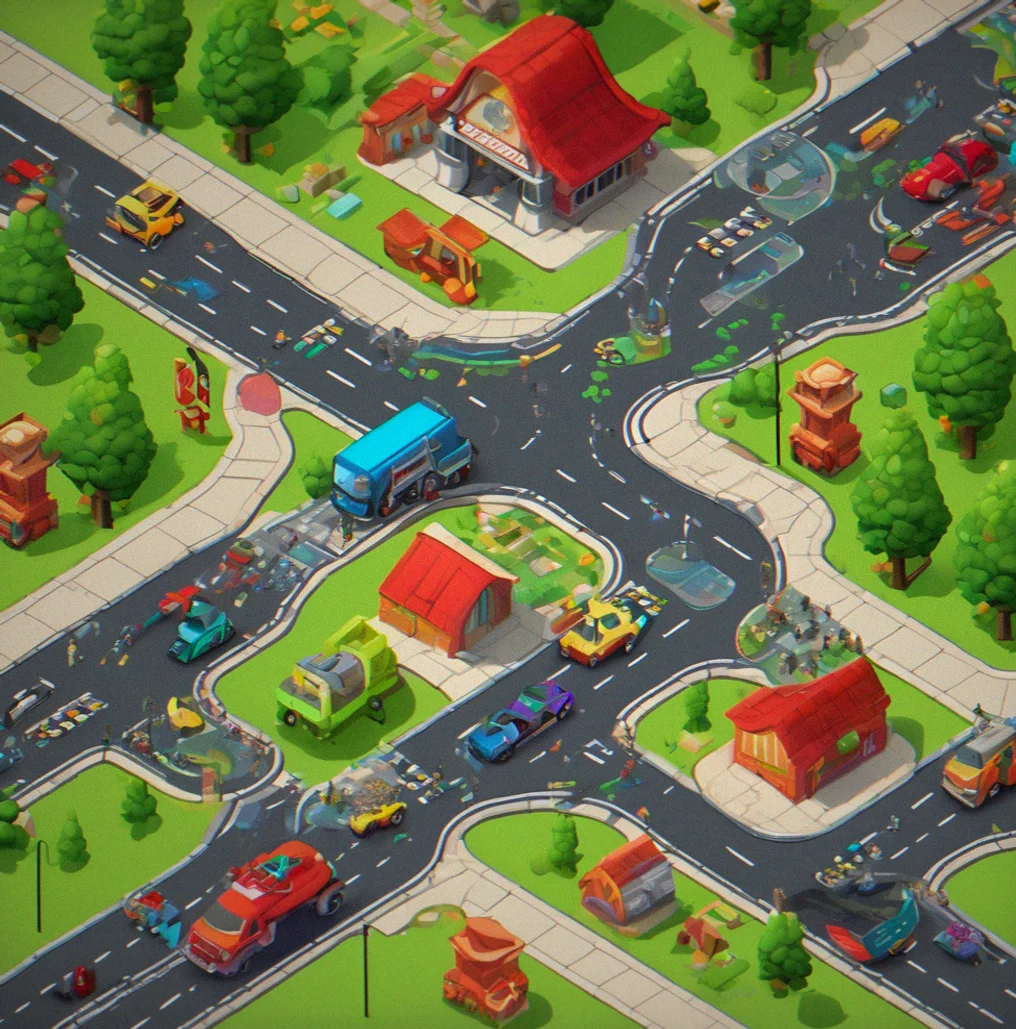
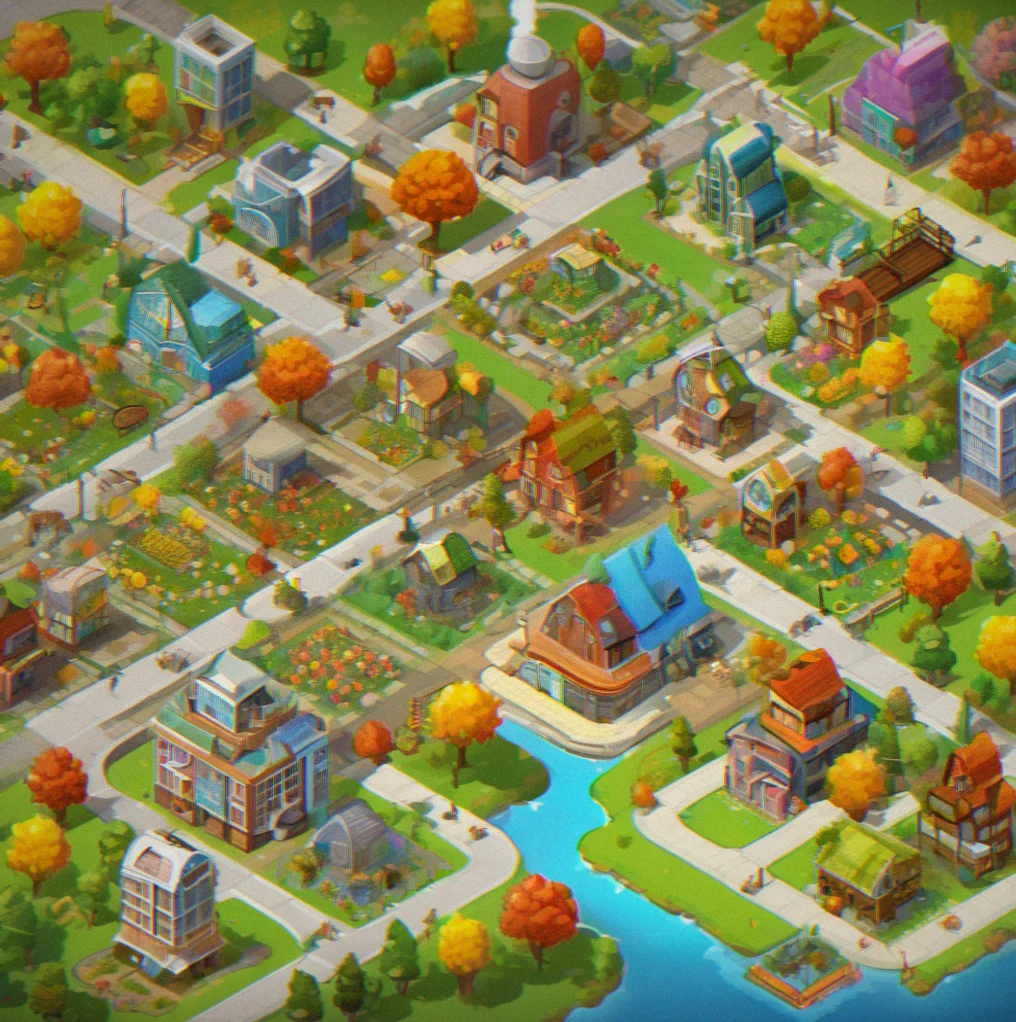
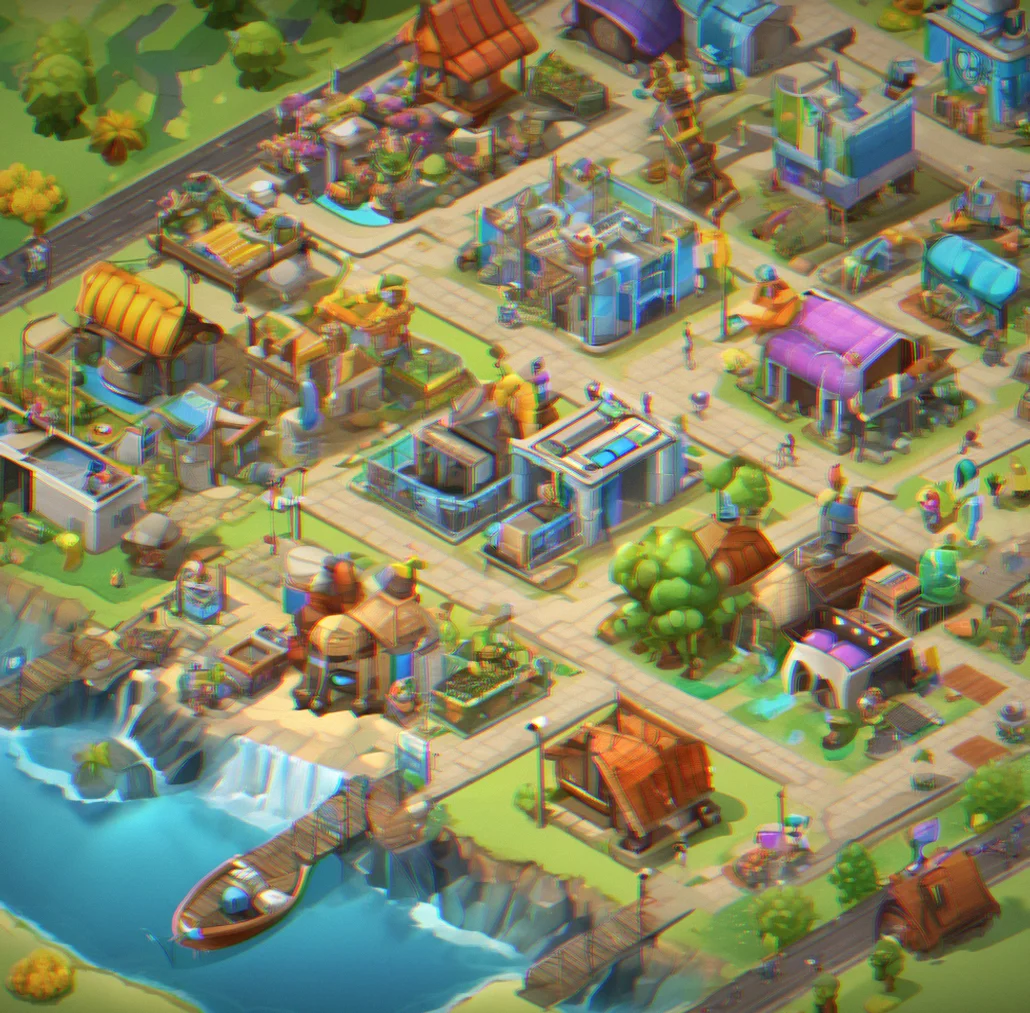
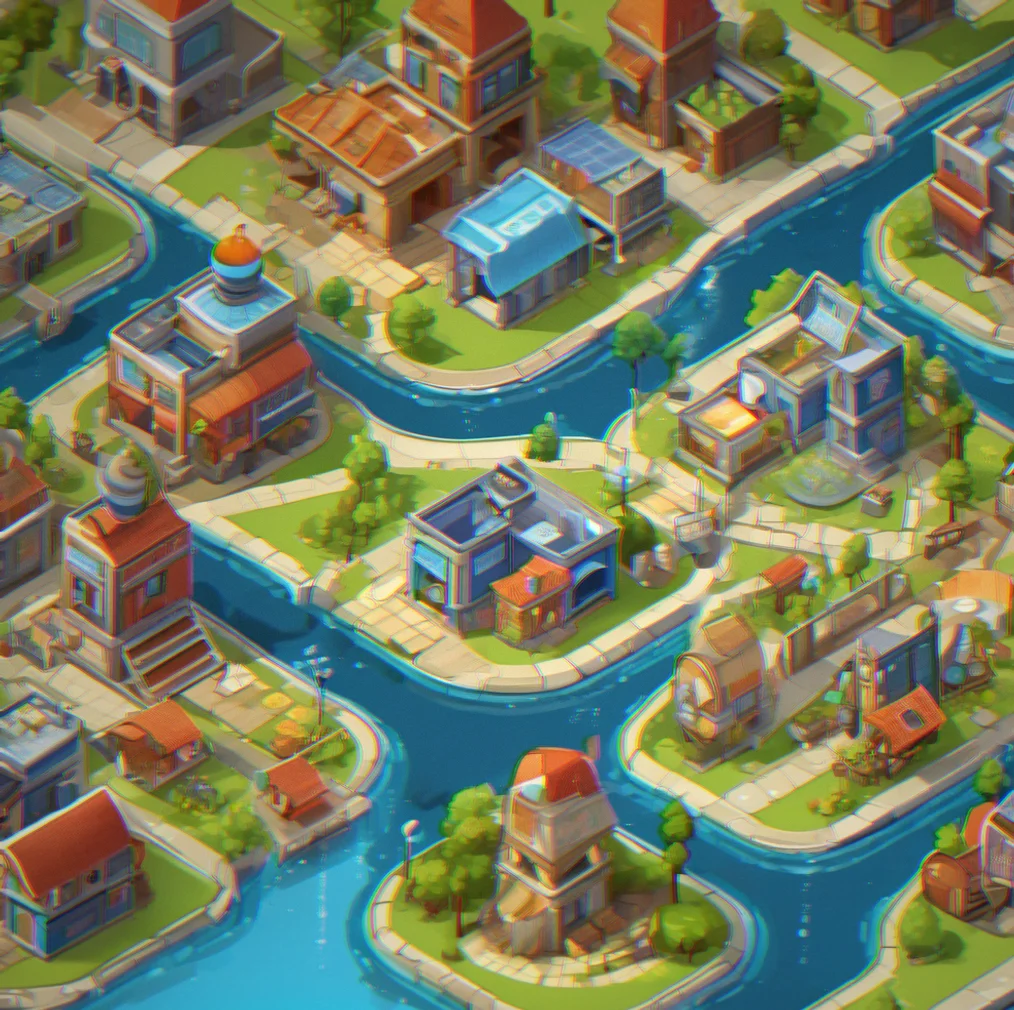
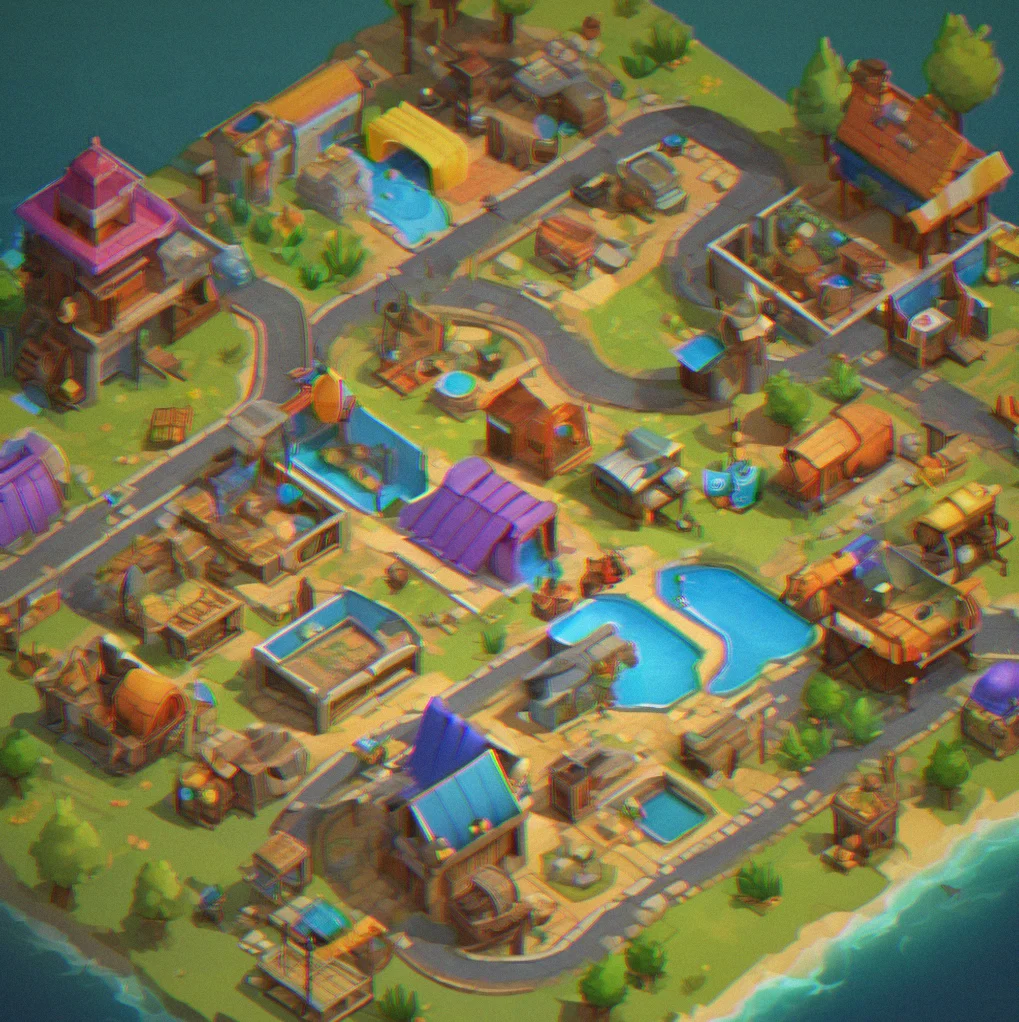
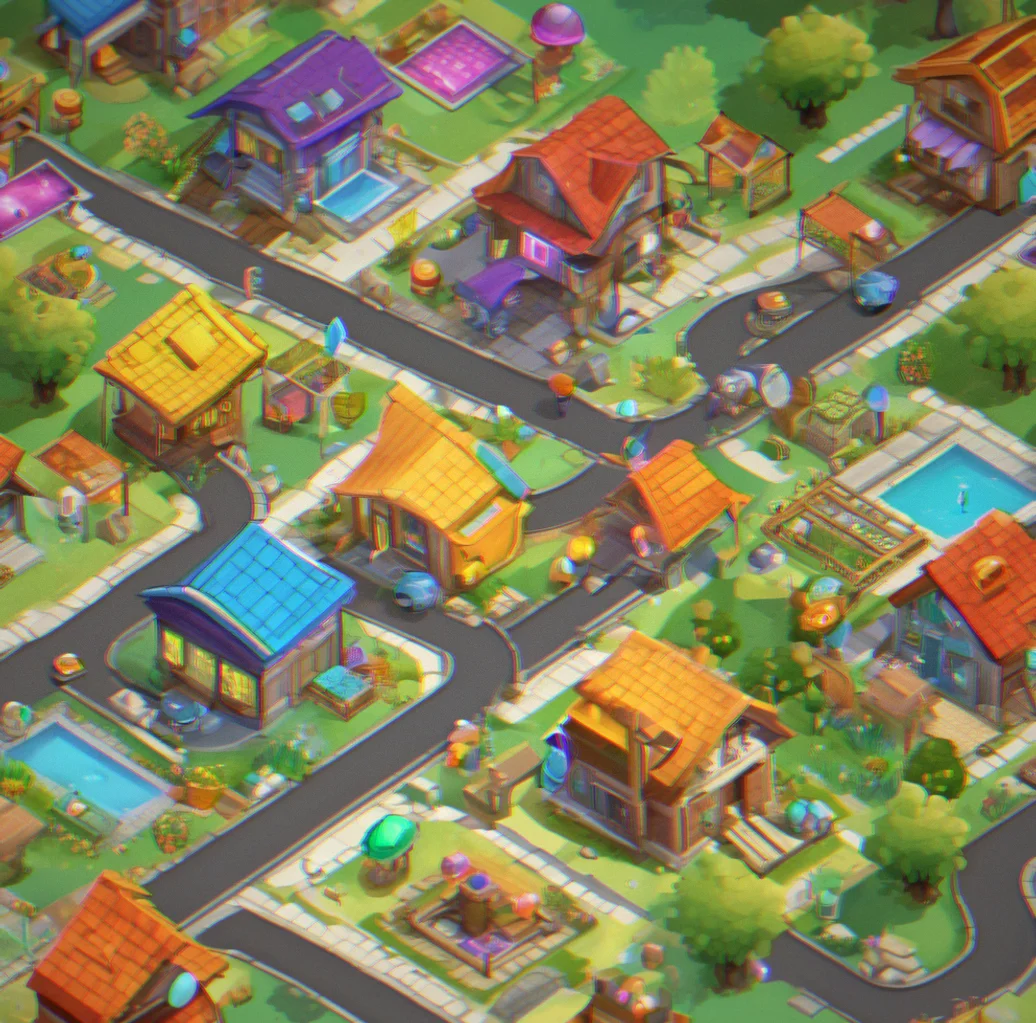
Isometric view of an interconnected city district with winding pathways, clustered buildings, and flowing resource streams

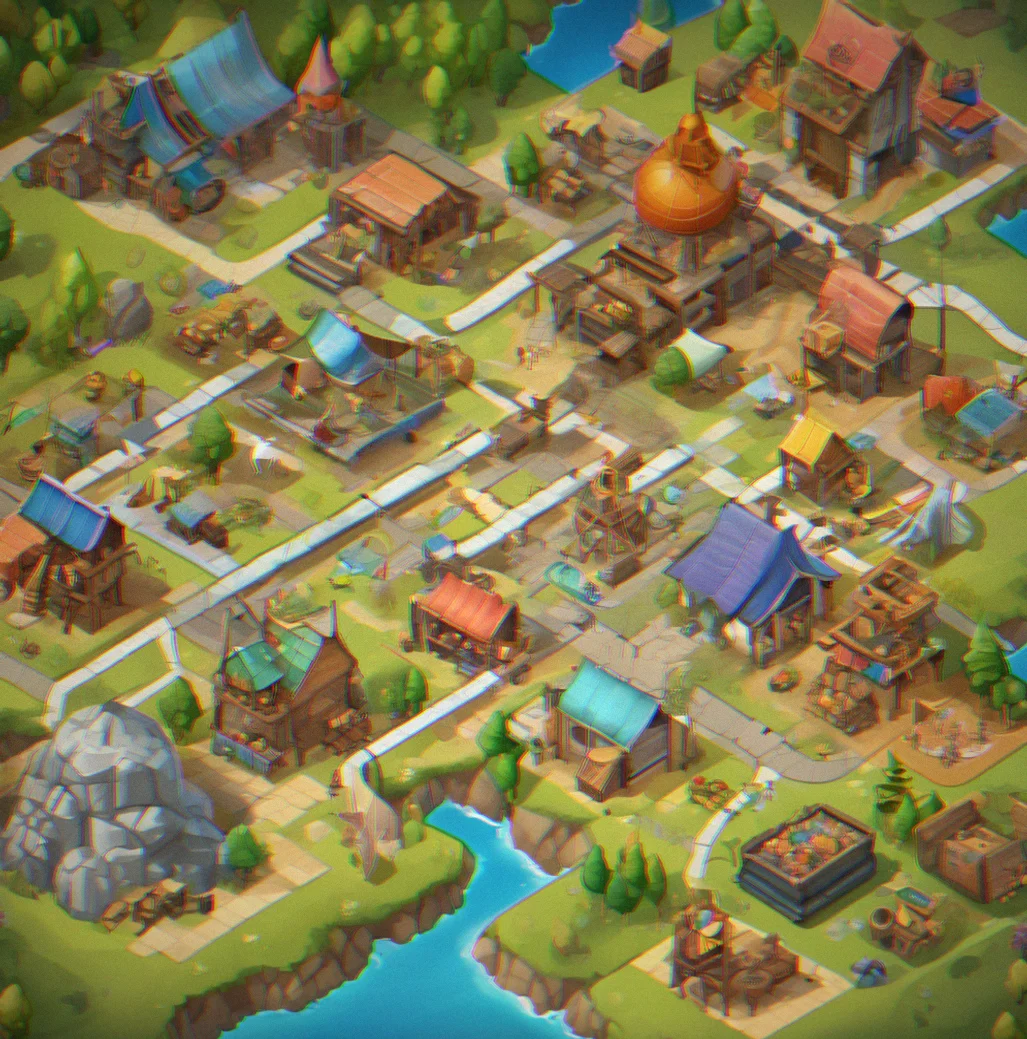
Brandparcel takes what works from Islanders — that satisfying puzzle feeling — mixes in Dorfromantik's visual control, and wraps it all in Stardew Valley's long-game progression. You're not chasing points or climbing ranks. You're building actual systems. Placement creates consequences. Resources ripple through your city in chains of cause and effect. Your choices shape the world, and that world feeds back into what you can build next.

There's no combat mode. No leaderboard to stress over. Just you, your design decisions, and that moment when everything clicks and your city starts humming.

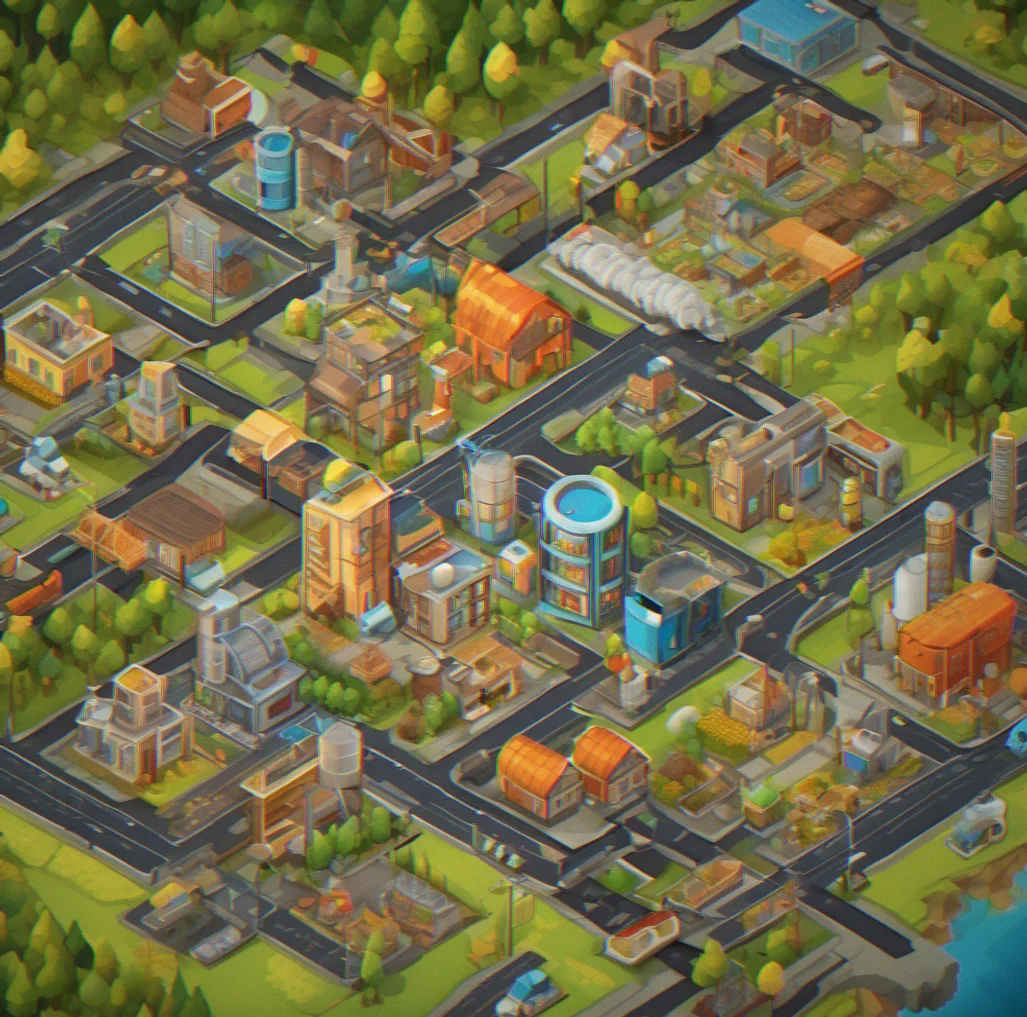
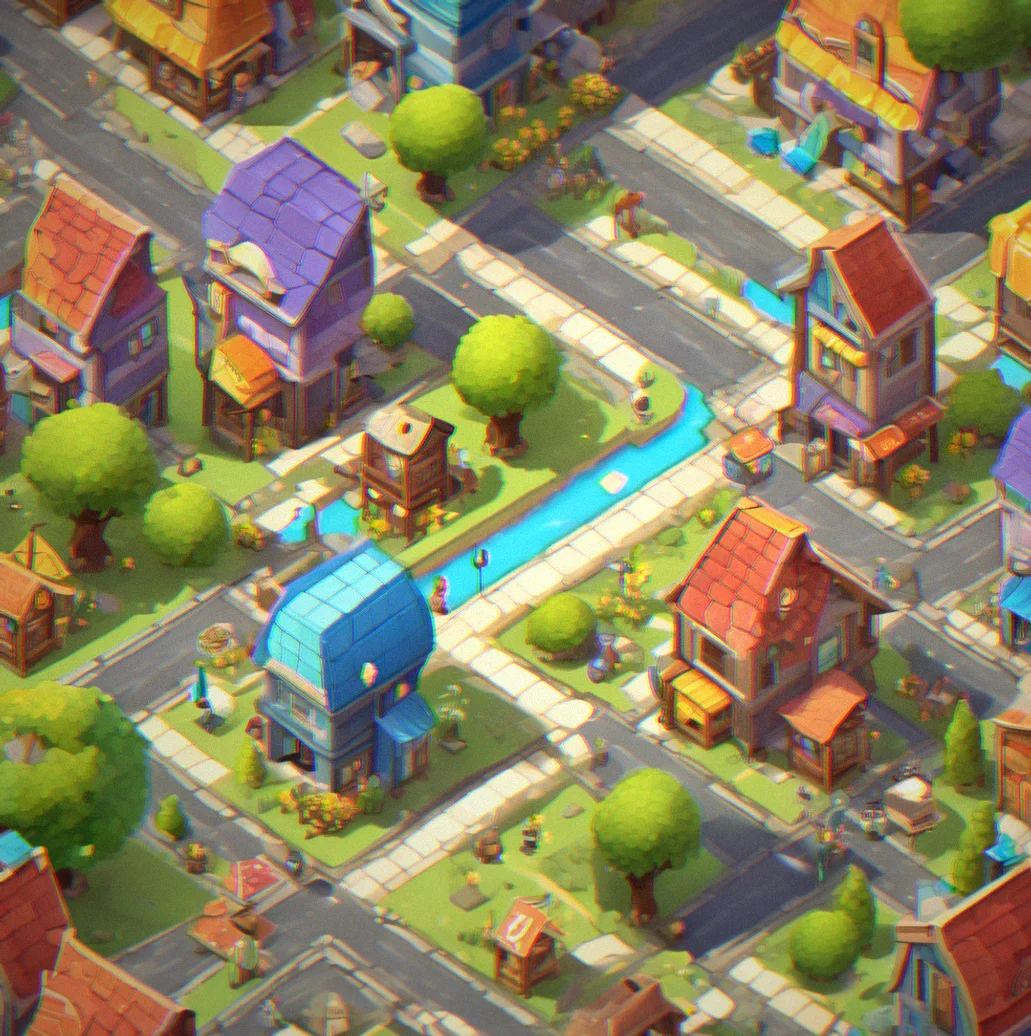
Resources flowing between buildints as colored streams, you can see exactly where everything goes

How it works

Building blocks that fit together

What actually makes a resource loop feel good? You need feedback that's visible, consequences that spread out, and decisions that stick without making you regret a single choice. Brandparcel cuts through the clutter. No countdown timers. No energy gates that force you back tomorrow. You move at whatever pace works for you. Every building you place changes what comes next: put a factory somewhere and it shifts traffic patterns, which changes where people want to live, which changes your tax money, which opens up new buildings you couldn't build before. Everything connects. When you get it right, when all the pieces lock into place and resources move smoothly through your city, you notice it.

100+

building types you can customize, each one interacts differently with the others

4

different resource types that flow through the whole system at the same time

0

timers or resources that disappear on their own — time only moves when you say so

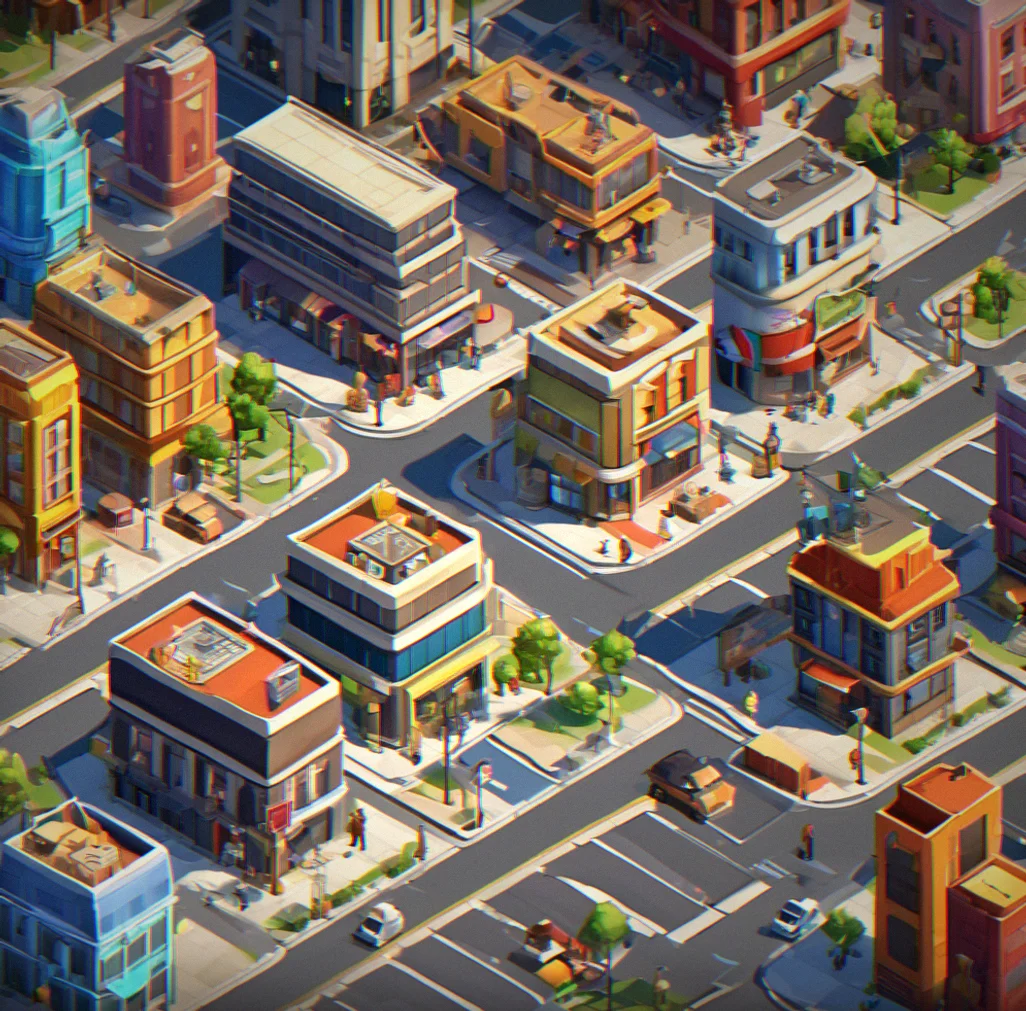
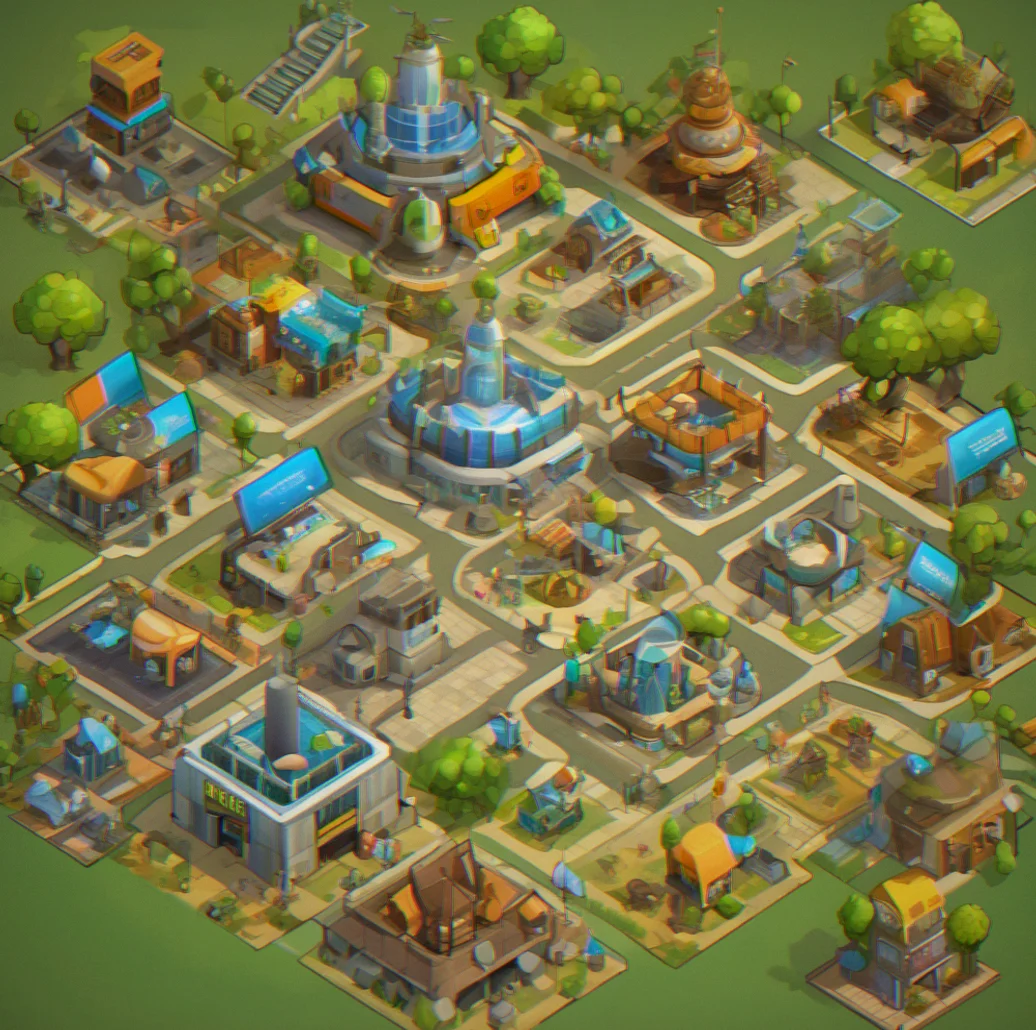
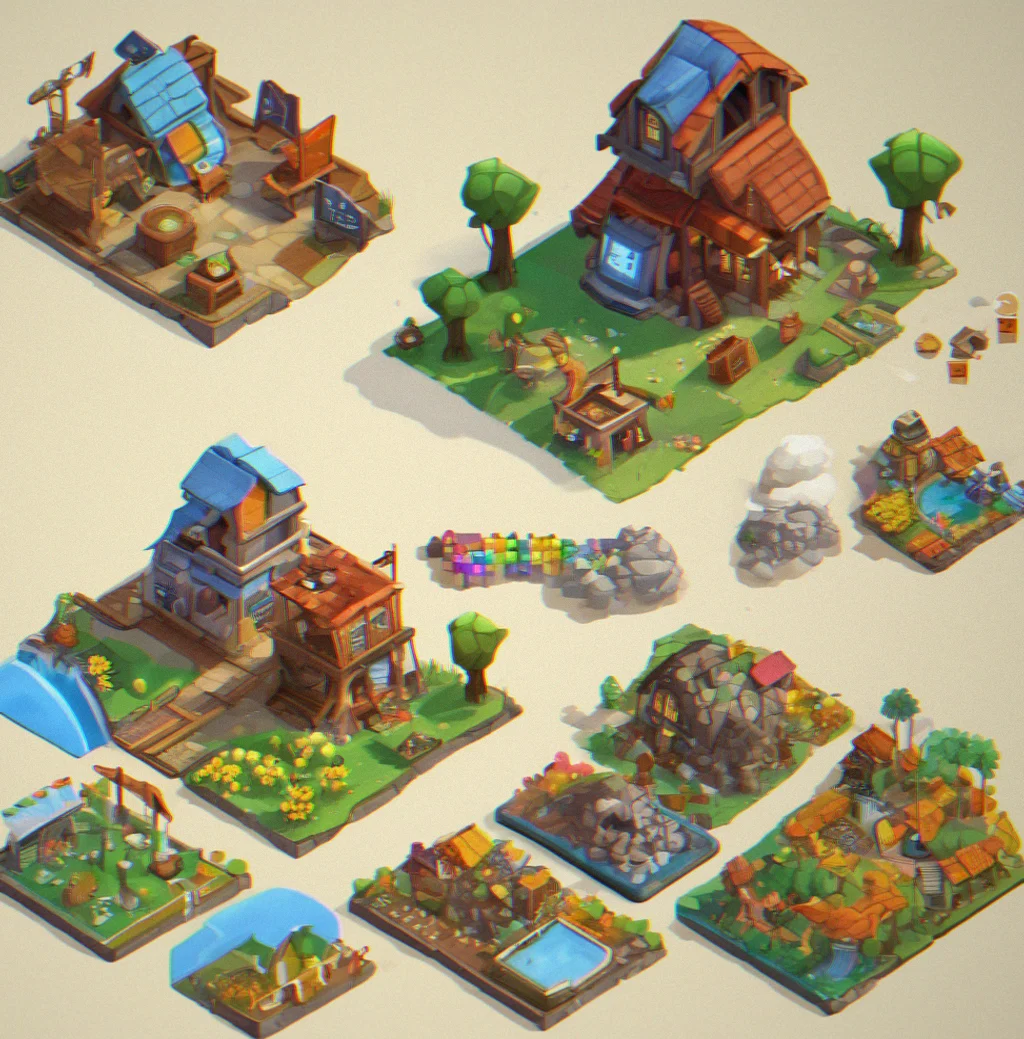
Overhead view of a city laid out with different zonnes balanced across the map
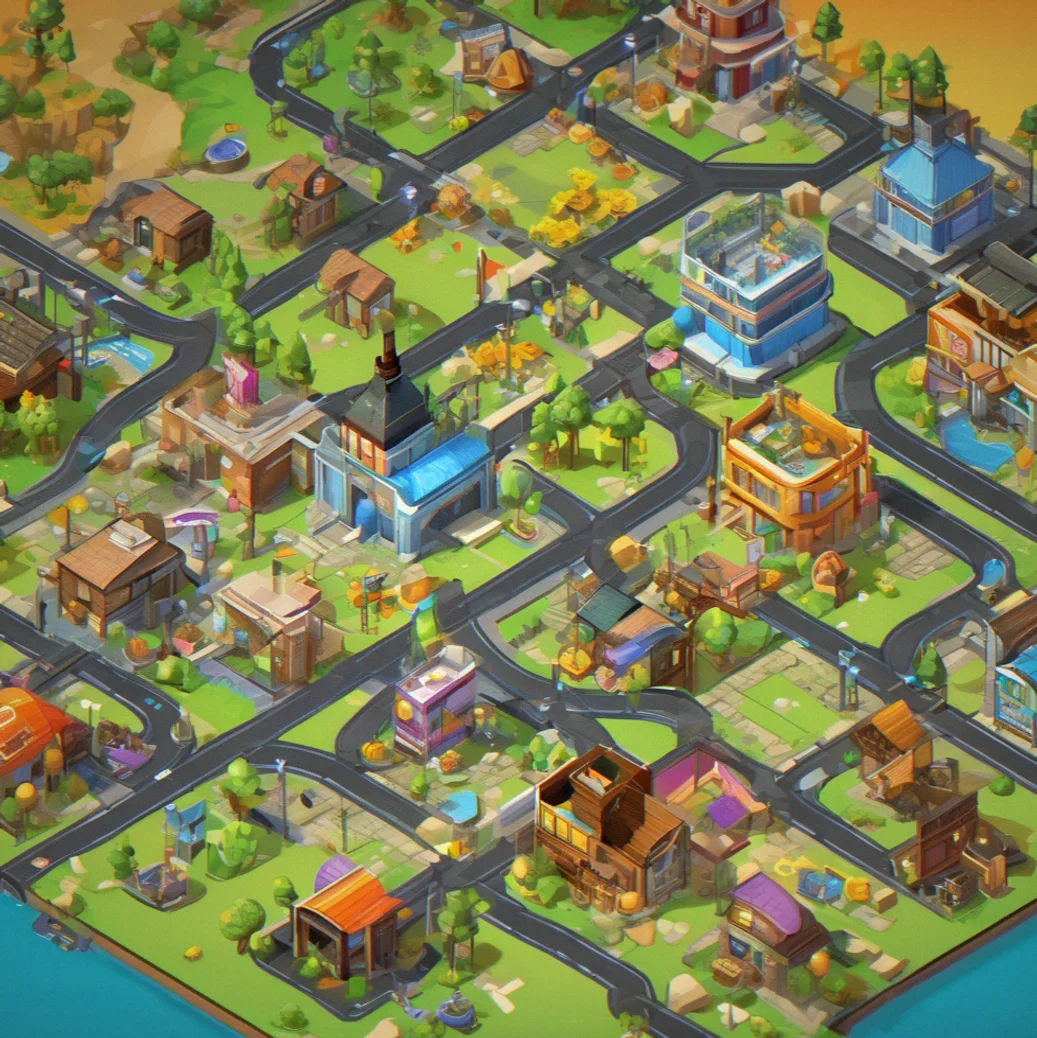
Two layouts side by side showing how rearranging buildings changes resource flow across the whole system
03

What you're actually building

Three things that set Brandparcel apart.

Systems over speed

Planning skills beat reflexes every time. You route traffic, manage production, and watch how one choice ripples through everything else. The game doesn't care how fast you click. It cares whether you thought it through. Mess up a district? You can restart it. But the real win is getting it right on the first pass.
Aesthetic control that actually works

Where you place a building matters for performance, not just appearance. Put housing near water and it runs more efficiently. Keep factories on the downwind side of neighborhoods. Mix different architectural styles without breaking your economy. Here, beauty and function solve the same problem.

Progression that doesn't waste your time

No timers. No mandatory daily streaks. You unlock buildings when you hit actual milestones—population targets, resource thresholds, finished districts. Not after logging in for two months straight. Going slow is fine. The depth is what you're after.

What makes Brandparcel work

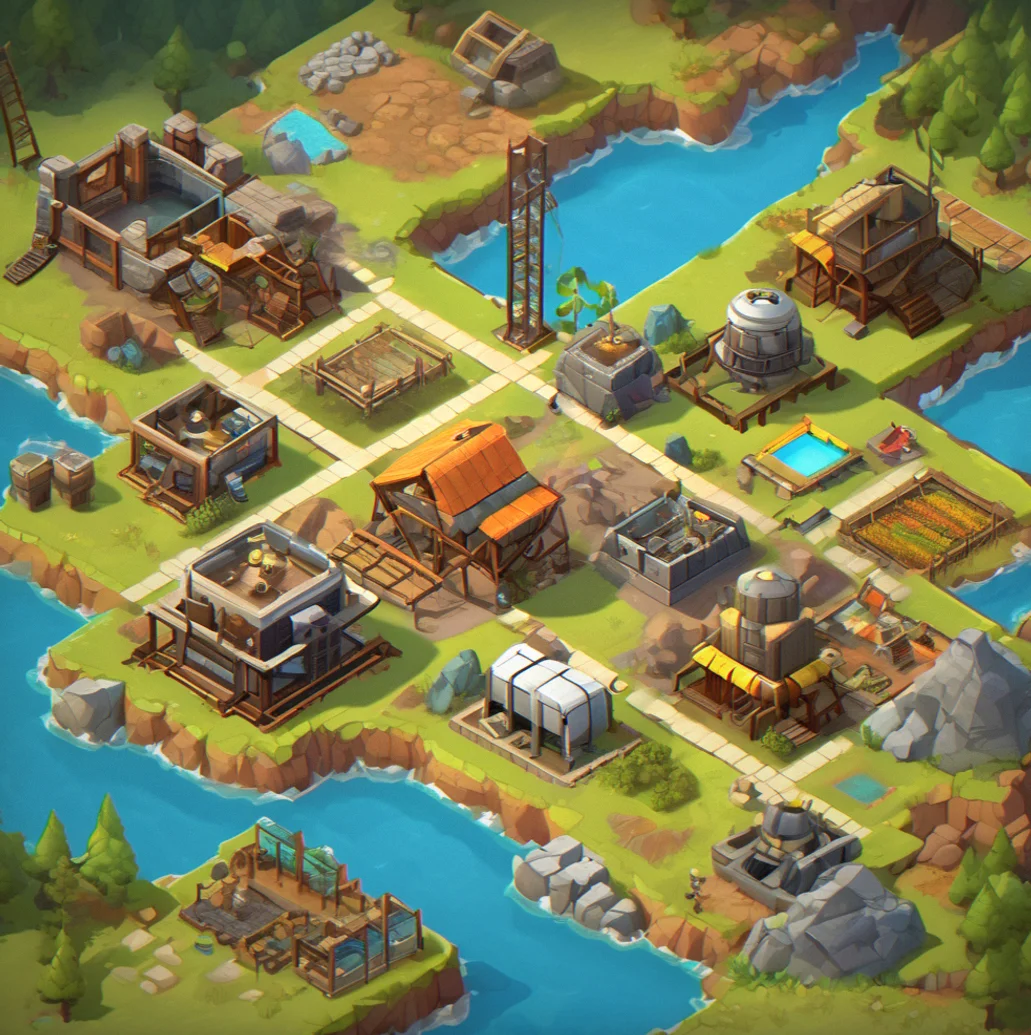
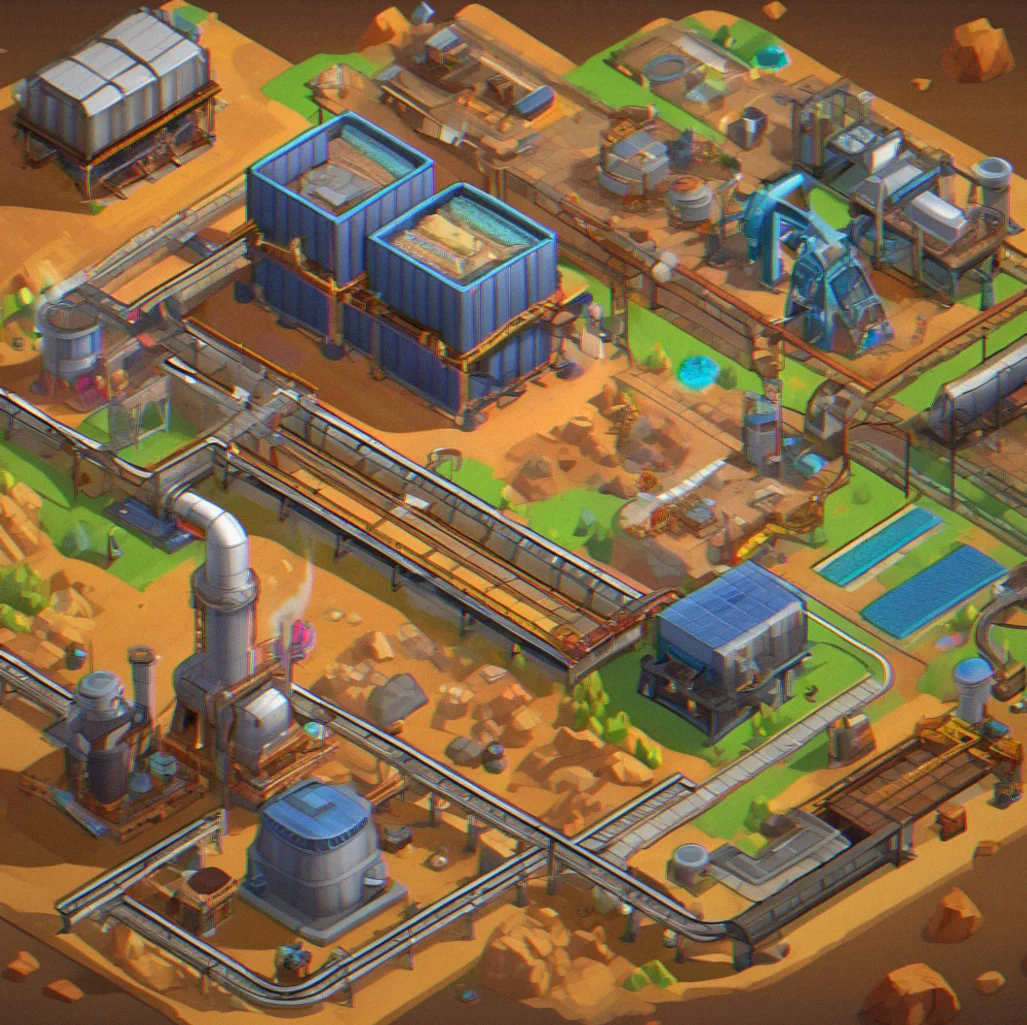
Animated resource flow showing ore moving through conveyor belts into a smelter with energy consumption indicators

Resource chains that actually matter

Ore doesn't magically become metal. It flows through your system. Mine it, transport it, smelt it, distribute it. Each step depends on placement, efficiency and timing. Break the chain and your production stops.

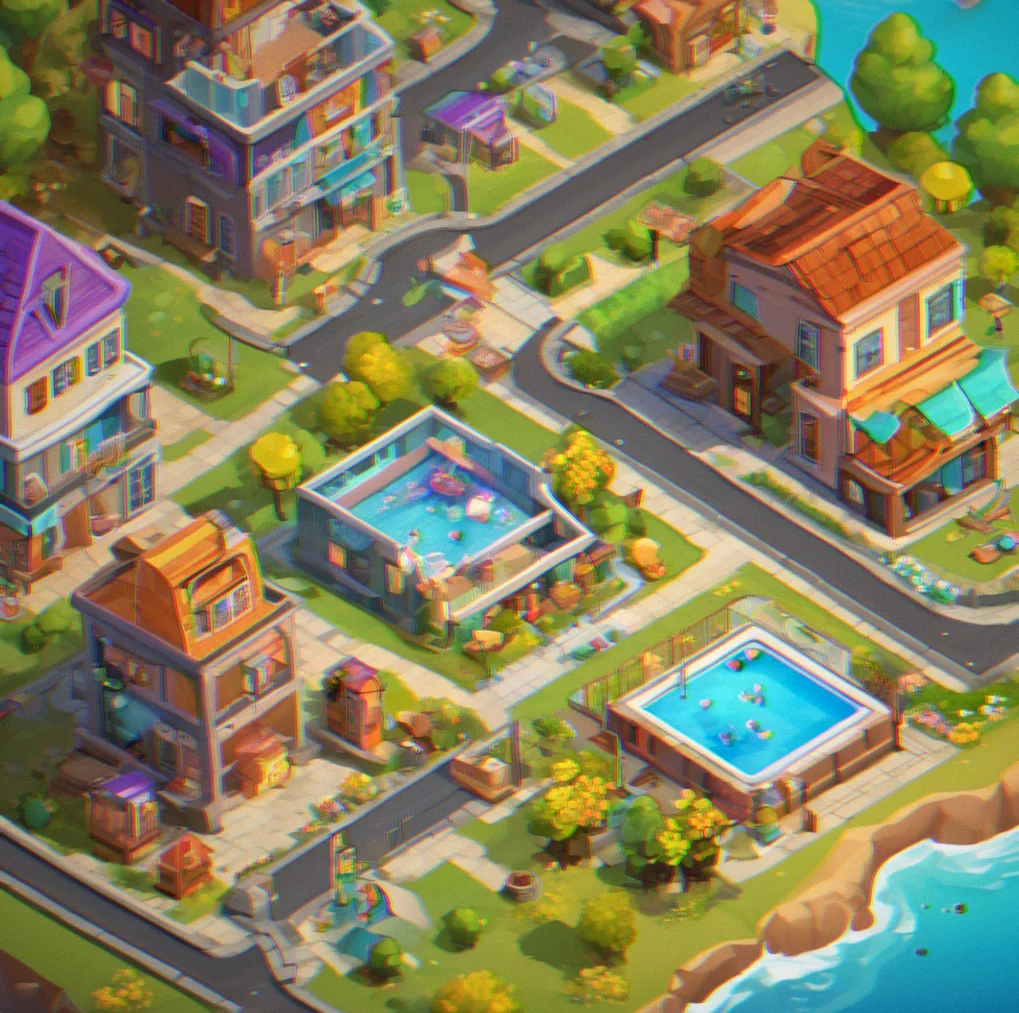
Overhead view of residential zones with color-coded happiness levels based on nearby amenities and job access

Population density that rewards planning

Housing needs proximity to jobs, shops and services. Pack too tight and you suffocate your own city. Spread too thin and nobody's happy. The math is transparent — you see exactly why people move in or leave.

Street grid with animated vehicle paths showing congestion hotspots in red transitioning to green after optimization

Traffic flow as visual feedback

Watch cars move through your streets in real time. Congestion appears immediately. Reroute a single road and the whole network breathes differently. No hidden calculations.

Isometric map with visible pollution gradient spreading from industrial zones toward housing districts

Pollution spreads like weather

Factories emit. Wind carries it. Residential zones downwind suffer. You can't ignore it and you can't cheat the system. Plan accordingly.

Financial dashboard displaying income, expenses and budget balance with icons for each revenue and cost category

Budget that forces real choices

Every Building costs something. Zones generate tax or drain money. Roads, water and power all eat into your budget. You can't build everything right away, so you pick what comes first.

Multiple district zones bordered by thick lines with individual population and prosperity indicators for each

District independence

Carve your city into separate zones. Each district runs its own budget and handels its own resources. If one struggles, it doesn't drag the others down. You expand when you're ready.

Four-panel grid showing the same city district in spring, summer, fall and winter with seasonak visual changes

Seasons and long-form cycles

Winter hits different — you need more power. Summer floods reroute your water. Crops follow their own calendar. Your city has to adapt or it pays the price. You're juggling immediate problems and longer-term consequences at the same time.

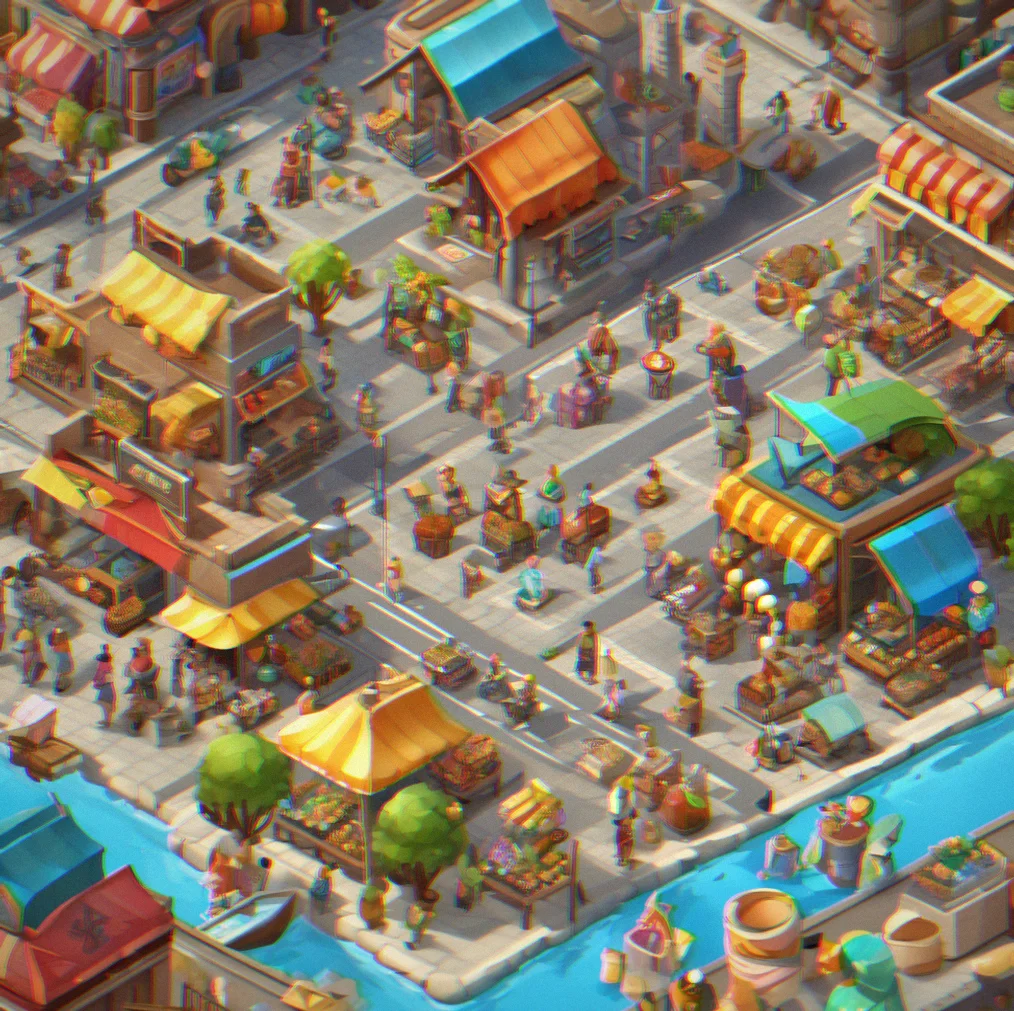
Zoomed view of bustling city center with visible citizens, vehicles and activity flowing through markets and plazas

No pause means you own the chaos

Time flows. You direct it.

What makes Brandparcel different

Eight things you'll actually notice when you play.

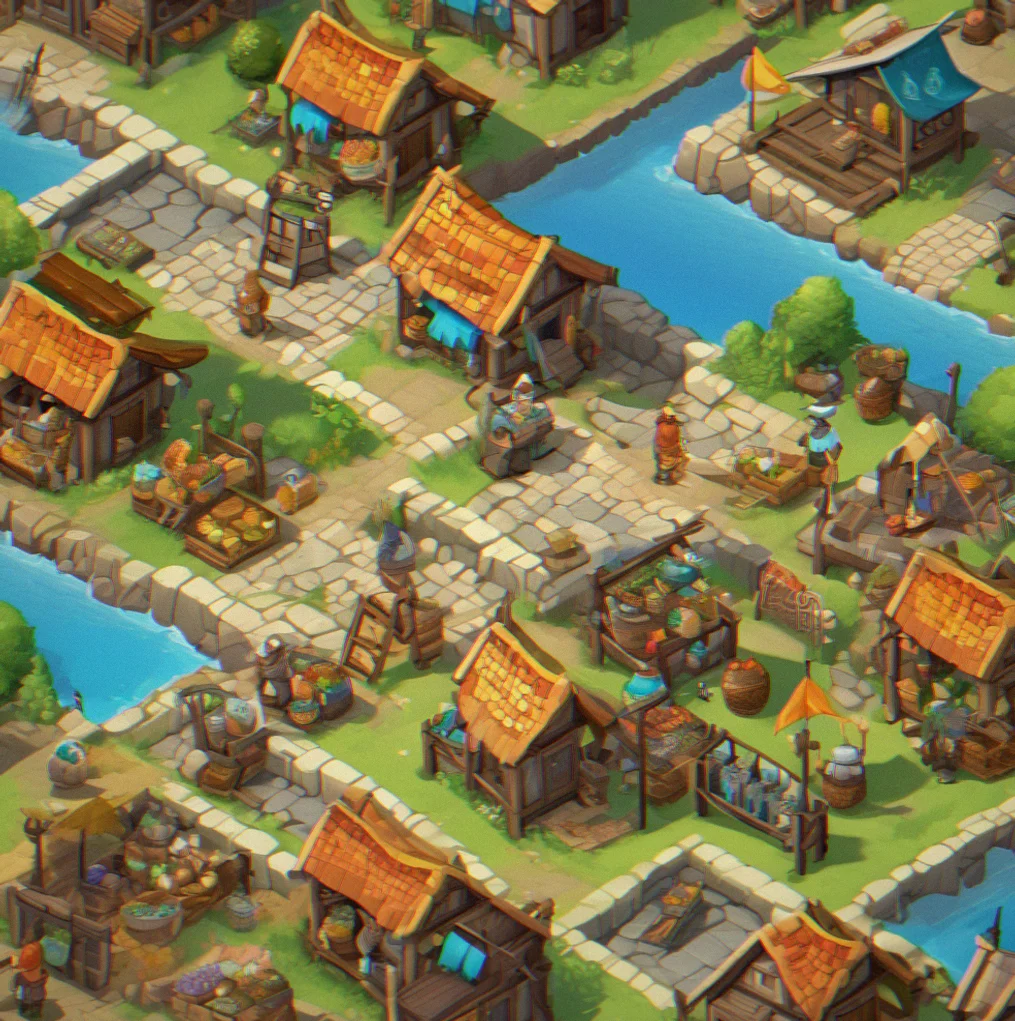
Peaceful cityscape with markets and trading posts, no weapons or battle scenes visible

No combat. Period.

Conflict lives inside the systems instead of on combat bars. You handle competition through market forces, spatial constraints, and how you allocate resources. That's genuinely it.

Time control panel with speed buttons ranging from pause to 4x acceleration

Play at your own tempo

Speed is just a slider. Fast-forward whenever you want, slow things down, or hit pause to think through your next move. The game won't rush you and doesn't punish you for taking your time.

District planning interface showing undo and restart buttons with a saved version history

Failure isn't punishment

Screw up a district layout? Restart that one zone without losing the rest of your city. The game saves your best verdion anyway, so there's zero pressure to nail it on your first attempt. You learn, adjust and rebuild.

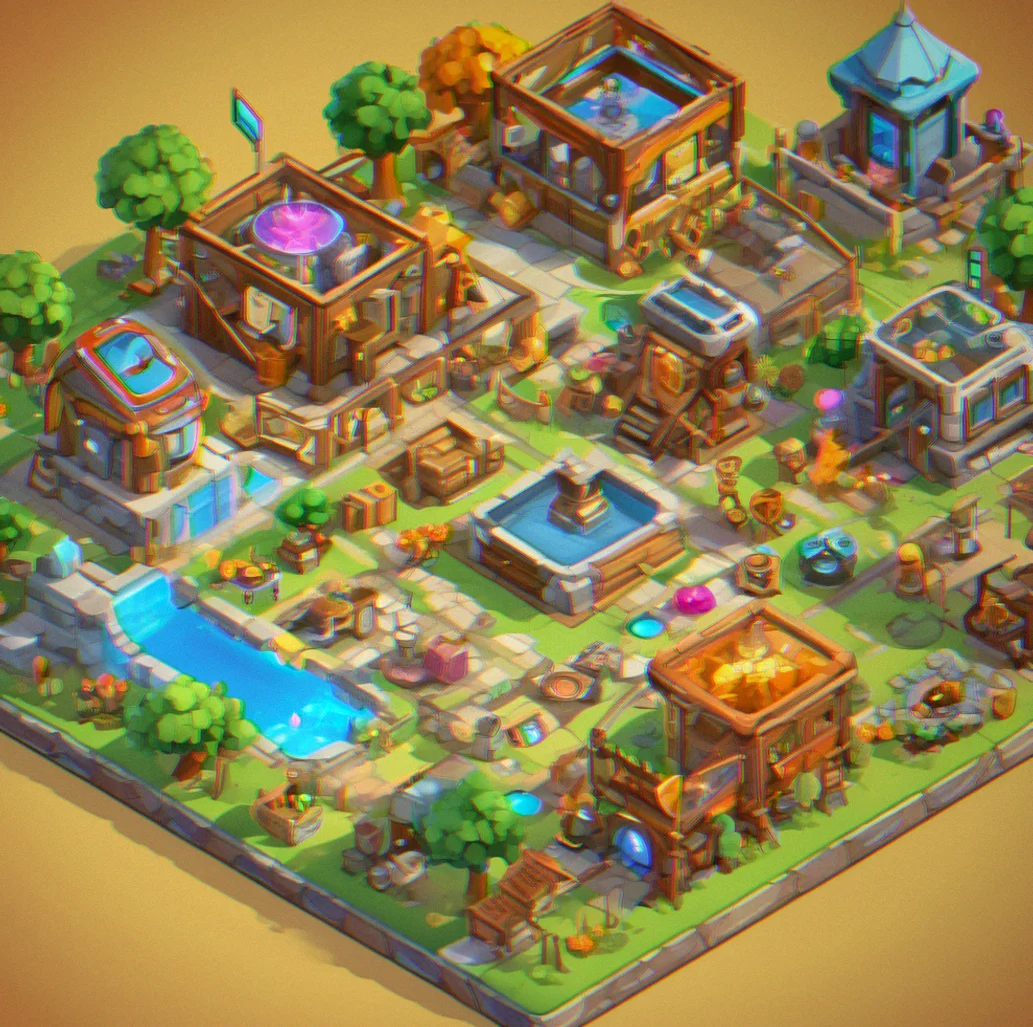
Downtown district showcasing diverse architectural styles from modern to art deco coexisting harmoniously

Build what you actually want to see

Function follows form here. Mix different architectural styles, colors, and layouts however you want. Your aesthetic choices won't Wreck your city's efficiency — they shape how it looks and feels instead.

Information panel showing detailed metrics for a residential building with icons for each happiness factor

Transparent systems.

Wondering why people left a building? Click it and find out. You see happiness breakdowns, job availability, pollution levels, everything. No secret calculations running in the backgruond and tanking your city.

Map showing resource depletion zones with a dwindling ore supply indicator and remaining buildable land

Sandbox with real boundaries

Your choices actually carry weight. Money runs dry. Resources run out. Land gets filled up. Those constraints are what make the puzlze feel like something worth solving.

Map view with trade routes shown as colored lines connecting districts exchanging resources

Trade between districts

Got extra stuff in one zone? Ship it somewhere else. Supply chains start forming on their own. You can build everything so each zone depends on the others, or keep them independent. Whatever you prefer.

Tech tree or progression screen showing unlocked and upcoming building types based on city achievements

Progression without grinding

New buildings, zones and mechanics unlock when you hit real milestones, not arbitrary playtime. Reach a few thousand people. Keep your budget balanced for a handful of in-game seasons. Finish a district challenge. Then the next piece opens up.

Common questions

FAQ

These are actual questions from people watching gameplay videos or digging into how things work. Your question's probably answered somewhere in the game.

Not really. Skylines has you managing an enormous city across decades with hundreds of systems all running at once. This is about building individual districts where you actually care about placement and aesthetics. You're designing with 30 to 50 buildings, not thousands. Everything's smaller and the decisions matter more.

A single district in sandbox mode takes a few hours if you're careful about it. Running through a full campaign with multiple districts and seasons? Expect somewhere between 15 and 25 hours. There's no required ending. You're done when you feel done.

You can absolutely run out of money. A poorly designed district won't attract residents and your budget tanks. The thing is, it doesn't happen suddenly. You'll see the problem coming. There's time to restart, rezone or fix your economy. It's a solvable puzzle, not a gotcha.

You can pause whenever you want. The simulation stops while you're planning, checking tooltips or deciding what to build next. What's missing are timers or energy systwms that force you to wait or come back later. Time moves only when you're ready.

No. It's singleplayer. No leaderboards, no trading, no competing against other players. Build whatever you want without measuring yourself against someone else.

Scrap that district and start over. Your other districts stay put and your progress carries forward. One bad layout doesn't wreck your entire save. The game keeps track of earlier versions too, so you can see what you tried before.